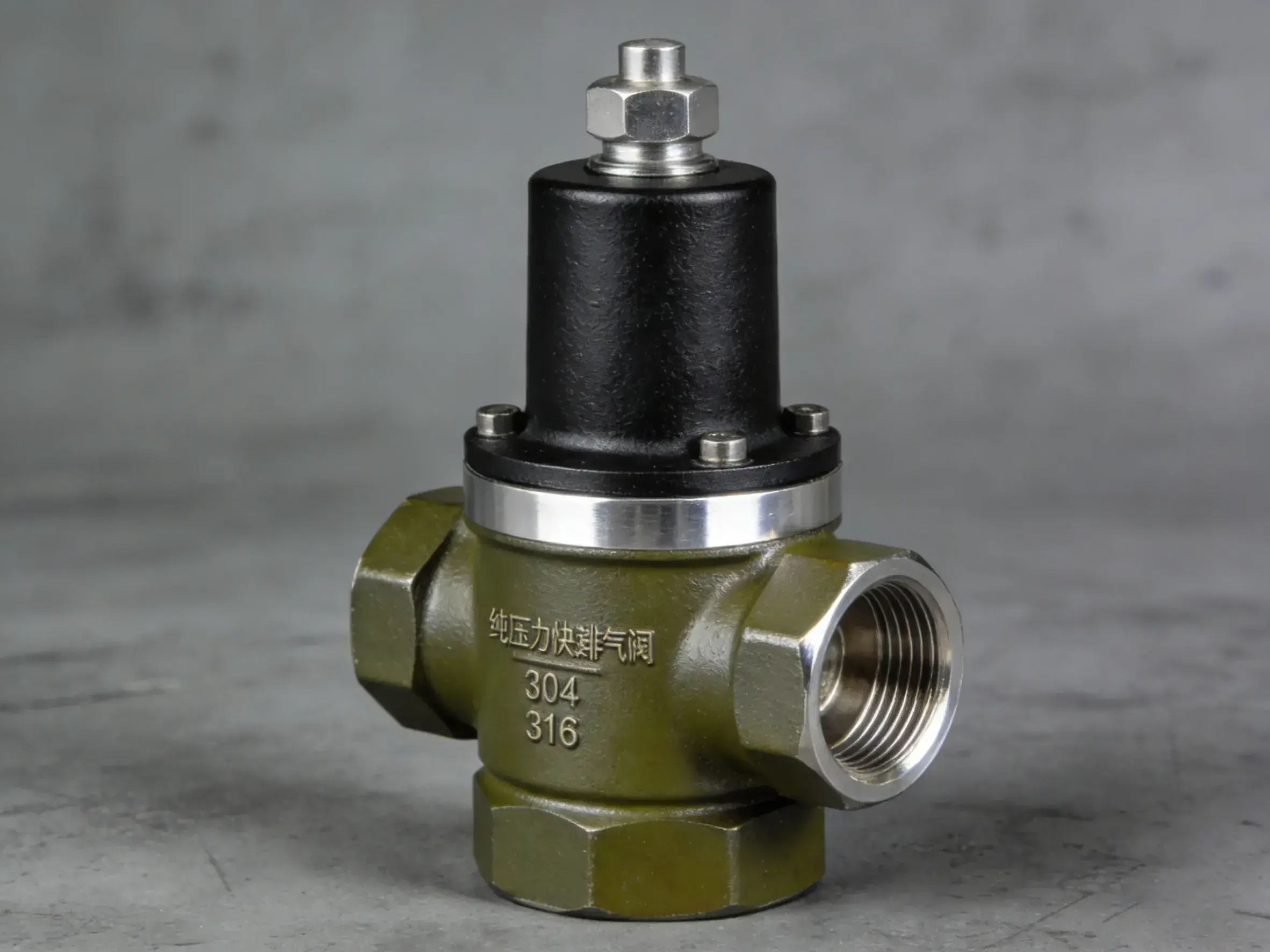
technical support rich factory automation friendly solenoid valves?
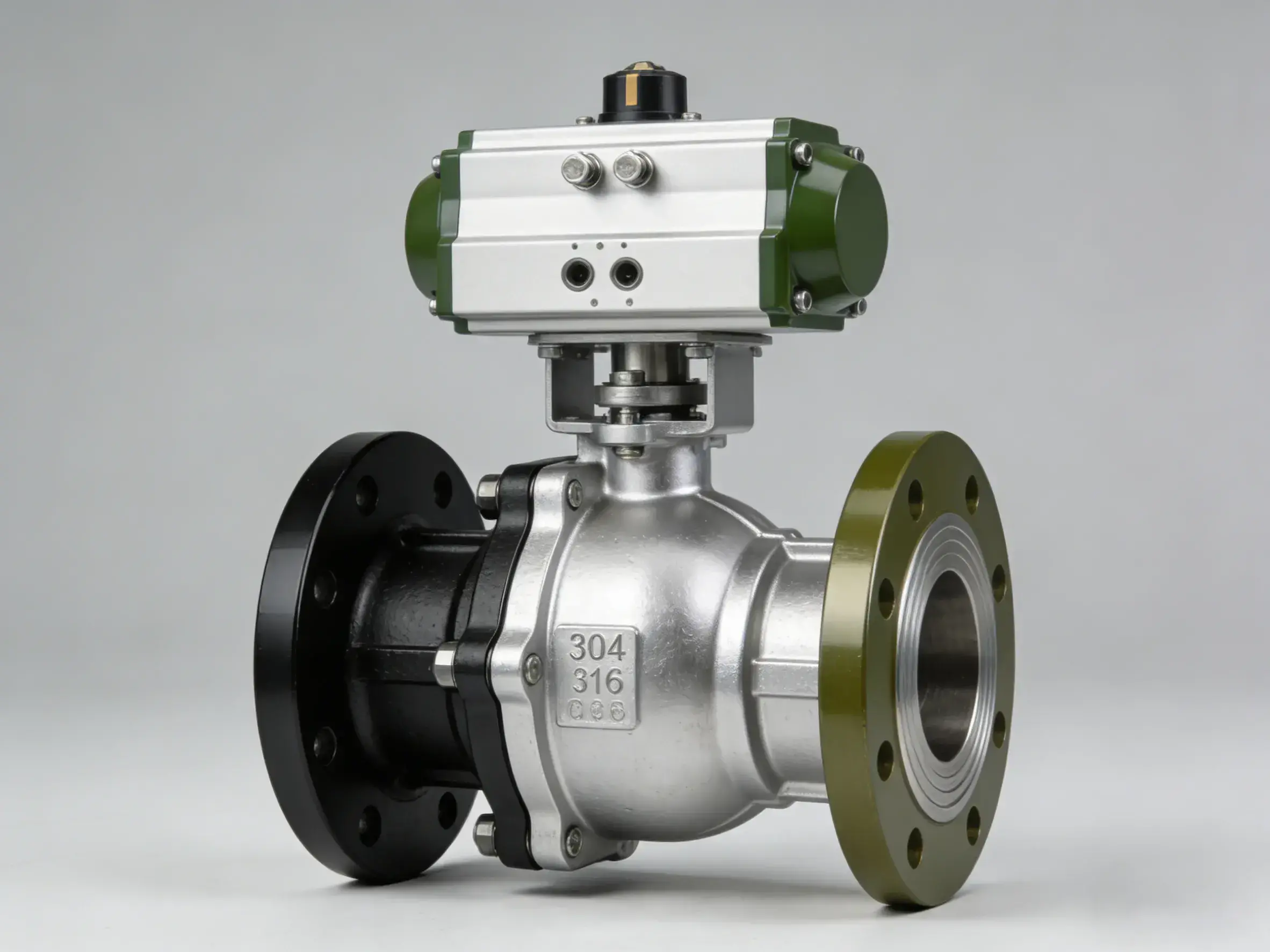
Paramount choosing industrial valves supports performance enhancement with total system reliability. In order to maintain optimum operation, one must vigilantly choose valves that match your application's exact needs.
A comprehensive valve selection guide should consider a variety of criteria such as liquid kind, pressure force, heat levels, flow capacity, and control demands. In addition, recognizing the required valve drive type like pneumatic, hydraulic, or electric is necessary.
Thorough Analysis of Butterfly Valve Capacities
Defining precise performance benchmarks for butterfly valves is fundamental for professionals pursuing steady and reliable system activity. The examination addresses essential aspects governing butterfly valve efficiency, including design attributes, operational contexts, and testing approaches. By exact appraisal of these considerations, this piece wishes to ensure comprehensive awareness of elements advancing butterfly valve functionality.
- Construction features decisively dictate full functionality
- The material of the valve body significantly impacts its durability in various operating conditions
- Pressure differential serves as essential measure in evaluating butterfly valve effectiveness, predominantly at amplified discharge volumes
Ball Valve Utilization within High Tension Contexts
Ball valves appear as solid picks for directing heightened pressure duties. Their minimalist model contains a rotund ball with a channel that pivots to supervise the flow of liquids. This build competently controls raised pressure environments because of its secure stoppage.
Across domains like fuel extraction, ball valves undertake a crucial position in overseeing substantial pressure conduits. Their strength renders them suitable to endure the strain of elevated pressure liquids.
- On top, ball valves employ prompt switching, ensuring effective flow modulation.
- Supplied in varied matter and measures, ball valves personalize to match exclusive needs of diverse boosted pressure sessions.
Comprehending Different Valve Categories and Their Roles
In fluid engineering, valves bear a significant responsibility steering movement of liquids and gases. Deciding on applicable valve model is necessary to maximize performance. Valves are grouped according to their working basis, architecture, and intended purpose. Standard valves consist of gate, globe, check, ball, and butterfly assortments. Every kind presents peculiar elements, adapting them to dedicated tasks. For instance, gate valves are used for regulating flow completely, while globe valves provide fine control over flow rate. Check valves restrict backward flow, protecting one-directional movement. Ball valves exhibit swift and trustworthy shut-open functionality, while butterfly valves perform well in heavy duty use cases.
Enhancing Fluid Regulation via Industrial Valves
Regulating fluid movement is an essential component of many manufacturing procedures. Industrial valves play a pivotal role in regulating the flow of fluids and gases within systems. Utilizing correct valve models merged with deliberate regulation methods enables companies to improve production efficiency, protection, and quality assurance.
An important aspect of improving flow management involves recognizing varied valve uses. Various valve shapes accommodate distinguished flow aspects, stress domains, and service environments. Especially, globe valves continually assist in flow modulation, but ball valves dominate in rapid shut-open procedures.
Achieving precise fluid handling requires attention to parameters like valve measurements, activation types, and control frameworks. Utilizing modern control devices, including programmable logic systems, enables computerized flow supervision and modification, boosting operational output.
Scheduled inspections of industrial valves are critical for limiting failures and maintaining precise flux handling. Detecting prospective problems promptly can reduce expensive stoppages and guarantee uninterrupted functioning of vital procedures.
Upkeep Guidelines for Manufacturing Valves
Scheduled servicing of industrial valve assemblies is important for preserving seamless and consistent operation in diverse workplaces. A thorough servicing schedule has to be developed, containing recurrent evaluations to identify uncertainties before major disruptions take place. Lubrication of valve components according to the manufacturer's recommendations can significantly extend their service life and reduce friction. On top, maintaining valves cleared of debris facilitates effective productivity.
A comprehensive maintenance program should also include documentation of all activities performed on the valves, including dates, personnel involved, and parts replaced. This meticulous record-keeping helps track valve performance over time and facilitates informed decision-making regarding future maintenance needs.
Automation Advantages in Valve Regulation
Automation technology has changed valve management in many domains. Incorporating automation tools enables enhanced valve regulation, limiting manual input and elevating system productivity. Automated valve operation offers several benefits, including increased accuracy, reduced downtime, and greater safety
- Measurement units contribute significantly to machine-controlled valve arrangements, supplying live data on valve deployment. Control software processes feedback to automatically govern valve parameters
- Programmable logic controllers commonly handle robotic valve control, facilitating intricate operational schemes. Such modules track valve health, flag concerns, and administer corrective responses
On top, automated valve steering assures optimized system observation. With accumulated valve metrics, managers acquire crucial knowledge to enhance system productivity and diminish expenses
Safety Measures During Industrial Valve Installation
While installing industrial valves at facilities, rigorous protection procedures are crucial. Failing these safety measures risks dangerous crashes, plausibly causing operational disruptions and notably worker harm. A careful safety appraisal needs realization ahead of construction to detect potential perils and carry out adequate mitigation steps.
Validate that all team members participating in fitting processes are thoroughly prepared and authorized for valve operations and safety regulation observance. Create a framework for frequent assessments aimed at discovering degradation or faults in valve assemblies. Maintain accurate records of all installations, inspections, and maintenance activities for future reference
- Follow suitable business criteria and legislation supervising valve establishment and operation
- Utilize appropriate tools and equipment designed for industrial valve installations
- Interact transparently with all contributors addressing the task to affirm safe and productive setup
Valves: Principal Units in Manufacturing Environments
Throughout the elaborate domain of industrial/fabrication/processing fields, valves act as essential parts. They operate to adjust fluid currents throughout sophisticated systems, supporting reliable functioning and safeguarding. Valves find employment across broad usages, including regulating heat and pressure plus moving materials
- Many valve styles occur, each constructed to achieve specialized tasks. Popular illustrations consist of gate, ball, and globe variants
- Decision on valve type assesses elements such as flow amount, stress, temperature bracket, and fluid kind
- Solid valve performance constitutes a fundamental requirement in manufacturing fields to prevent interruptions and deliver quality goods
Scheduled scrutiny of valves holds importance in prolonging functionality and deterring defects
Progressive Compositions in Valve Fabrication and Construction
The progress in valve construction and assembly markedly relates to exhaustive implementation of state-of-the-art materials. These advanced elements present various augmented qualities relative to standard choices, helping engineers build valves with higher efficiency. Prominent illustrations are resilient ceramic materials favored for hardness in stringent milieus, coupled with light alloys that optimize functioning while curbing bulk. The implementation of those innovative components produces valves possessing advanced sealing traits, lengthened service time, and raised corrosion protection
Valve Triggering Methods: A Comparative Evaluation
{This investigation delves into the diverse valve actuation mechanisms prevalent in modern engineering applications|This exploration examines the varied valve drive technologies common in contemporary engineering uses|The study analyzes the mixed valve triggering systems typical in current engineering projects|This research evaluates the assorted valve motion methods widespread in advanced engineering scenarios|The survey inspects the Y-Type Filter Manufacturer multiple valve control techniques existing in up-to-date engineering solutions|This review considers the assorted valve operating mechanisms encountered in present-day engineering environments|This analysis explores the various valve activation systems found in progressive engineering implementations|The inquiry scrutinizes the heterogeneous valve act