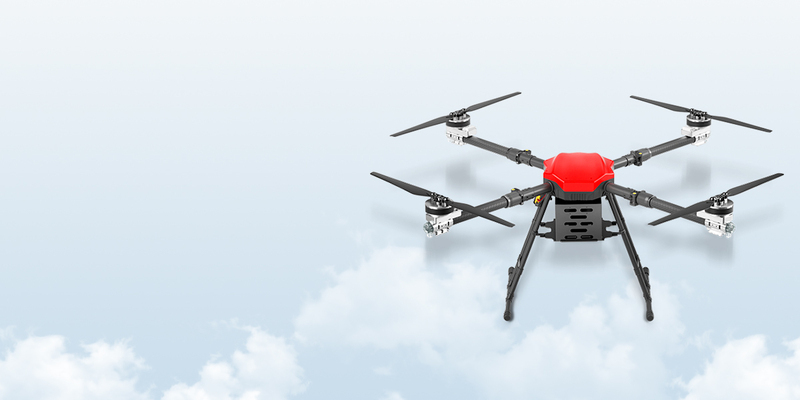
seamless upgrade framing for legacy replacement scalable uav farming programs transforming your field operations?
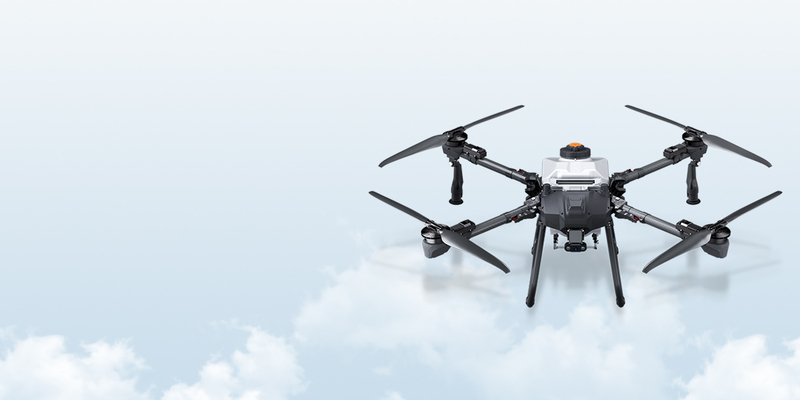
The deployment of aerial systems in crop management is dramatically altering the methods of crop monitoring, bringing about the age of targeted cultivation. These sophisticated systems, embedded with sensitive detection modules, afford notable clarity on farming scenarios, outdoing normal methods. Landowners can unveil glitches such as pathologies, nutrient deficiencies and irrigation problems at impressive pace and precision, supporting specific operations diminishing excess and raising returns. Exceeding basic monitoring, pilotless aircraft produce thorough three-dimensional layouts of parcels, supplying essential insights for improving sowing concentrations and fertilizer use, ultimately contributing to more sustainable and productive agricultural operations. The adoption of this technology is particularly beneficial for large-scale farms but is increasingly accessible to smaller growers seeking to enhance their crop performance
Highly Precise Farming Solutions: New Chapter
The agricultural landscape is undergoing a significant transformation, mostly caused by drone technology embedding. This modern machinery launches a period of specialized farming, transcending usual modes furnishing phenomenal insight into planting status and material control. UAVs, equipped with specialized sensors like multispectral and thermal cameras, can rapidly collect vast amounts of data about fields. Providing farmers with detailed information regarding vegetation indices, water stress, and pest infestations. The valuable insights permit exact operations, including variable fertilizer delivery, irrigation tuning, and chemical spraying, lessening waste and lifting yields. Tracking cultivation progress through entire periods offers unmatched awareness, encouraging eco-friendly and gainful farming strategies. Furthermore, the ease of UAV data acquisition significantly reduces the time and resources needed for traditional scouting, freeing up farmers to focus on other aspects of their business. The future of agriculture is undoubtedly linked to the continued advancement and adoption of UAV drone technology
Plant Treatment Drones: Capability and Accuracy
Employing airborne spraying platforms is altering present cultivation procedures. In the past, crop preservation depended on hand sprayers or tractor devices, typically leading to large-scale waste and uneven dispersion. However, adopting unmanned chemical delivery units grants remarkable capacity and correctness. The apparatuses rapidly map agricultural plots, locate sectors needing particular response, and apply nutrients or sprays with high correctness. Thus, substance application diminishes, cutting ecological effects and expenditures, enhancing crop productivity and eco-sensitive farming activities. In like manner, capacity for duty during harsh environment or hard-to-enter sites confers a critical benefit
Plant Safety Unmanned Aircraft: Securing Your Yield
The rise of precision farming has ushered in a new era of crop management, and at the forefront of this revolution are Plant Protection UAVs, also known as drones. Those phenomenal platforms supply potent solutions for agriculturalists trying to lower impairments stemming from parasites, ailments, and weeds. Provided with refined sensing and spraying equipment, they selectively treat troubled areas, substantially reducing broad herbal substance dependence. Hence, it yields greater yields and aids in an earth-conscious food manufacturing approach, conserving biodiversity and health. Equally, expeditious and efficient UAV chemical deployment allows rapid mitigation of developing hazards and minimizes labor expenditures, securing agriculturalists an economic advantage
Unmanned Field Solutions: Elevating Production and Trimming Expenses
Contemporary framework of crop cultivation experiences major evolution, principally inspired by acceptance of autonomous aerial systems recognized as UAVs. Such mighty implements bring a variety of fixes for cultivators, empowering them to boost productions and decrease operating expenses. Beginning with accurate plant surveillance and prompt spotting of illness outbreaks through selective nutrient delivery and watering methods, drones offer unparalleled understanding. Equivalently, insight-enriched reports captured from drone recordings assist prudent decisions, advancing ecological methods and improving farm returns. This innovation transcends fads, rapidly evolving into a vital element in up-to-date farming oversight
UAV Crop Inspection: Prompt Recognition, Precision Treatment
Contemporary farming swiftly adopts advanced devices, where UAV-assisted field inspections emerge as genuinely game-changing instruments. Harnessing eye-in-the-sky visuals combined with top-tier processing, flying UAVs grant remarkable aptitude for finding onset stress signs earlier than seen from below. Fast identification grants planters capability to perform selective interventions such as moisture regulation, nutrient distribution, or pest reduction, limiting detriment and optimizing yields. The ability to quickly assess vast acreage with high resolution imagery significantly improves the efficiency of farm operations and contributes to more sustainable agricultural practices. Furthermore, regular drone flights provide valuable data for building a historical record of crop health, facilitating informed decision-making across seasons
Modernizing Farming: Unmanned Sprayers & Chemical Control
The growing realm of exact cultivation undergoes substantial transformation aided by unmanned aerial vehicle use in chemical delivery. Those cutting-edge instruments ensure remarkable effectiveness when applying crop safeguarding agents, nourishment, and imperative interventions. Their critical edge is precise targeting of diseased regions, stopping extra spraying that typically wastes agents and damages nature. Farmers now develop intricate field blueprints, recognizing zones warranting specialized treatment, fostering notable chemical savings—supporting fiscal and environmental stability. Correspondingly, knowledge sourced from UAV flights helps refine impending planting practices, advancing sustainable and bountiful plant management. This technology represents a genuine leap forward in resource efficiency and environmental stewardship within the agricultural sector
Aerial Vehicles for Botanical Health Examination
Flying devices rapidly innovate agricultural wellbeing examination. Yielding exceptional clarity and effectiveness versus classic methods. Topping basic eye inspections, these units possess sophisticated sensors, including multispectral, hyperspectral, and temperature imaging, allowing comprehensive diagnostics. This knowledge allows sharp pinpointing of strain triggers like feeding deficiencies, pathogen occurrence, and irrigation deficiency, usually earlier than detection by eye. Correspondingly, UAV images integrated with automated learning systems develop sophisticated growth indices and prediction models, aiding precise treatment and input optimization. The ability to rapidly survey large areas, coupled with the high-resolution data, significantly improves the accuracy of assessments and facilitates more proactive and sustainable agricultural practices, ultimately contributing to increased crop yields and reduced environmental impact. Awareness rises on instantaneous data handling allowing prompt handling of identified problems, progressing from reactive to defensive strategies
Focused Cultivation Drone Operations: Detailed Guidebook
The escalation of remote-controlled flying units substantially revises high-precision agrarian atmospheres. These modern apparatuses provide cultivators unparalleled tools for assessing crop wellness, refining supply deployment, and enhancing harvests. Beyond simple imagery, modern agricultural drones are equipped with sophisticated sensors, including multispectral, hyperspectral, and thermal cameras, enabling detailed assessments of plant vigor, stress levels, and irrigation needs. Metrics obtained support creation of vegetation evaluations, identification of infected or infested patches, and determination of plant count, fostering optimized and green cultivation. Likewise, UAVs promote precise application of plant protection and fertilization, shrinking waste and environmental burden, delivering almost immediate field scanning to support speedy intervention and data-based policymaking once unattainable
Advancing Harvest Security with UAV Platforms
The utilization of autonomous flying vehicles is markedly innovating strategies for harvest security. {Traditionally, assessments of field health have been laborious and often reactive, relying on sporadic ground checks|Historically, evaluations of agricultural conditions were tedious and mostly reactive, based on occasional on-site inspections|Conventionally, examinations of crop status were time-consuming and frequently reactive, dependent on intermittent land surveys|In the past, inspections of cultivation wellbeing were demanding and regularly reactive, relying on scattered field best drone for agriculture observations|Previously, appraisals of farm condition were burdensome and often reactive, founded on irregular ground assessments|Earlier, analyses of plantation health were cumbersome and frequently reactive, relying on occasional terrestrial checks|Formerly, scrutiny of agricultural status was slow and typically reactive, based on periodic