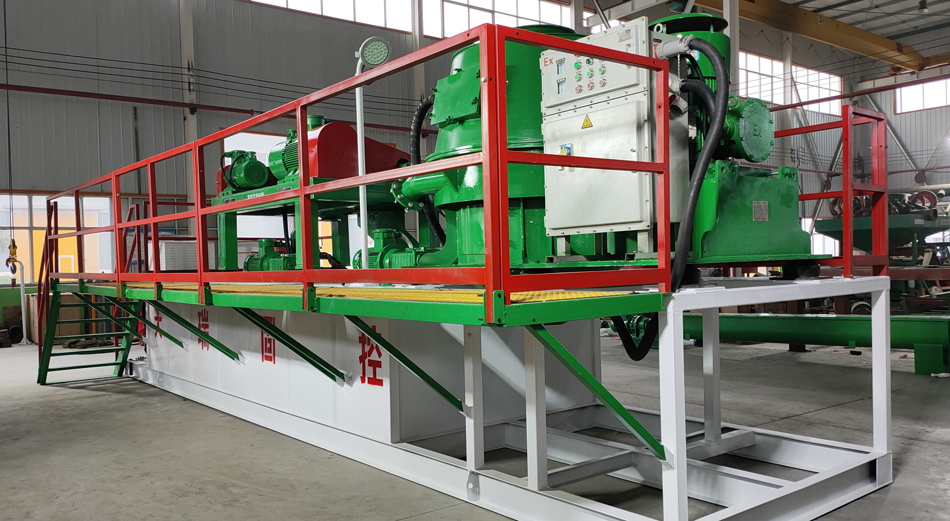
quality assured TR Solids Control flagship lines?
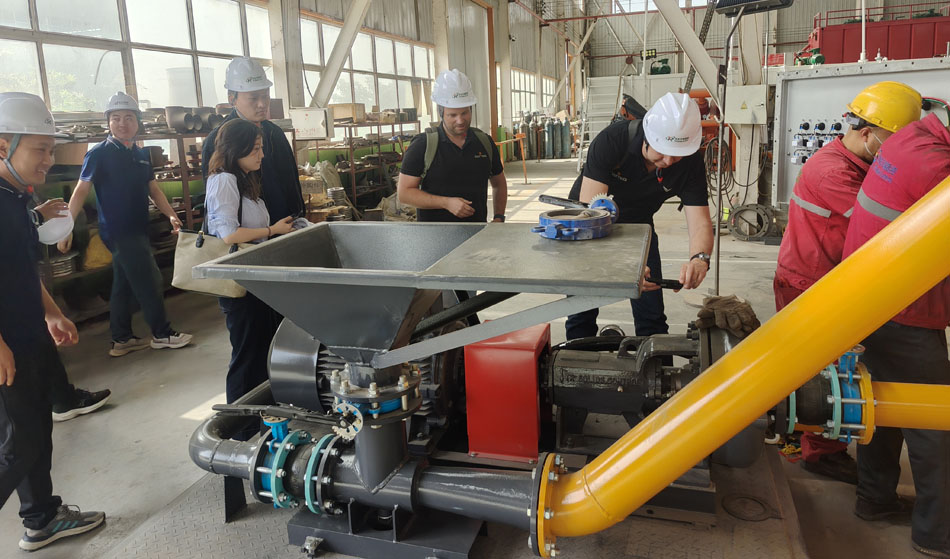
Inside the challenging fields of fossil fuel harvesting optimal disposal of Shaker Screen drilling remnants is imperative.
Vibratory shaker units serve a significant function in extracting cuttings and residues from drilling suspensions, thereby delivering optimal well cavity preservation and functional success. To optimize their operations, boosting shaker effectiveness relies on mixing different elements. This encompasses selecting the appropriate shaker variant and mesh aperture by drilling conditions, systematic care avoiding erosion, and implementing premium procedures for slurry control. By vigilantly tending these factors, users will obtain significant gains regarding drilling efficiency, residue decrease, and overall operational durability.
Shaker Screens' Role in Optimal Drilling Fluid Filtration
Proper choice of shaker meshes underpins productive drilling fluid segregation. These filtering elements are key in isolating sediments and rubbish from drilling brews. Screen pore measurements must be extensively assessed according to fluid composition and particulate varieties. Selecting ill-suited shaker screens might provoke diminished filtration efficiency, potentially harming drilling workflows.
Successful extraction of solids from drilling fluids is fundamental to sustaining borehole stability. Upgrading drilling quality, sustaining operational period, and minimizing basal degradation. A well-planned shaker mesh setup can greatly improve overall drilling effectiveness.
Novel Approaches in Environmentally Sound Drilling Waste Management
The hydrocarbon production industry generates large quantities of drill waste, posing serious environmental challenges. To counteract these issues, experts tirelessly devise state-of-the-art treatment methods. These treatments work to lower waste volume and harmfulness while reusing beneficial components. Notable advancements include bioaugmentation, physical purification, and chemical processing. By means of these novel strategies, the sector transitions to sustainable workflows, minimizing ecological strains and upholding earth wellness.
Maximizing Effectiveness of Sludge Reclamation Systems: Mitigating Environmental Consequences
Boosting drilling fluid reprocessing operations is critical to alleviate environmental destruction associated with engineering and manufacturing undertakings. Via proficiently recycling slurry, waste elimination needs drop notably, preserving resources and curtailing pollution. An excellent drilling fluid reuse model contains components enabling best output. They encompass cutting-edge segregation systems, comprehensive sanitizing procedures, and eco-friendly waste management for scraps. In addition, ongoing upkeep and operator education are imperative for preserving system functionality and lessening ecological footprint.
Consolidated Methods for Combining Shale Shaker and Fluid Recycling Units
The hydrocarbon sector persistently pursues novel means to enhance drilling efficiency. Residue reuse serves as an essential component underpinning these targets. State-of-the-art unified solutions emerge to tackle the challenges posed by mud recycling mechanisms, offering numerous benefits. Synergistic models incorporate assorted technologies to strengthen efficacy, suppress contamination, and aid entire drilling ventures. At last, they enhance drilling capabilities across output and sustainability parameters.
Upgrades in Filtration Technology for Drilling Detritus
The energy industry incessantly pursues lessening ecological threats tied to procedures. An essential topic concerns governing drilling cuttings through adept purification and segregation of fragments from drilling compounds. New progressions in filtering and separating tools provide promising methods to lessen debris volumes and enhance recycling or dumping protocols.
- Advanced polymeric screens and carbonates stand for breakthrough purification substrates extracting vast particulate selections from drilling compounds
- Rotational force, sediment buildup, and gravity-based separation advance precision in drilling waste fluid-solid division
- Programmed, intelligent, and mechanized robots entwine with selective and filtering arrangements elevating accuracy and oversight
Plus, assessments move ahead in fresh detritus management approaches, including reconditioning by conversion.
Recognizing the Part of Shale Screens in Drilling Suspension Management
Fluid solids removal shakers fulfill critical duties within resource recovery to filter drilling remnants. The fragments contain rocky bits, mineral pieces, and diverse remnants accumulated amid drilling tasks. Efficient removal of cuttings remains crucial for preserving fluid viscosity and density needed for cooling drill bits, lubrication, and preventing borehole instability. Shakers function employing vibratory motion to separate heavier cuttings from lighter fluids. Isolated particles accumulate in collection devices and treated drilling fluids return to drilling platforms. Efficient drilling fluid management promotes improved operational results, cost reduction, and lower ecological liabilities.
Designing Shaker Screens to Diminish Drilling Detritus
Optimizing shaker screen formation marks an essential move in suppressing drilling leftovers. Effective choice of shaker meshes substantially enhances particulate classification, reducing waste elimination burdens. Meticulous review of pore measurements, mesh alignment, and suspension throughput is necessary for best results. These measures collectively foster ecosystem protection by cutting amounts of formed trash.
Anticipating Future Trends in Drilling Residue Treatment: Smart Technology Integration
Natural resource harvesting enterprises steadily innovate to fulfill increasing client demands and legislative conditions. A vital point attracting notice involves waste treatment in drilling, utilizing automated and intelligent methodologies. Implementing these progressive technologies, operations notably diminish environmental risks and raise productivity.
Automated platforms, robotic mechanisms, and smart sensors already assist real-time monitoring of drilling waste. Such units deliver essential intelligence offering guidance pivotal for improving cleansing workflows and disposal approaches. Gathered insights promote refining current procedures and designing new techniques.
Furthermore, advanced software involving neural networks, forecasting, and data analysis help pinpoint problems ahead of time. This vigilant approach encourages timely corrections, diminishes eco risks, and prevents system failures.
Concrete Reports Confirming Effectiveness of Shale Shaker and Mud Recycling Implementations
The oil and gas industry consistently endeavors new techniques to enhance drilling throughput and lessen ecological harm. Investigations have revealed considerable advantages tied to shale shaker and mud recycling system implementation. The technology powerfully backs drilling gains by segregating solids in fluids and effective liquids reuse, producing paramount cost reductions and junk minimization.
New validated reports detail integration of shaker systems in large-scale drilling operations. Profitable outcomes involve remarkable declines in fluid waste disposal costs and mitigated environmental influences. Besides, reclaimed drilling fluids demonstrate advanced features supporting heightened borehole robustness and mitigated blowout frequencies.
- Numerous tests support shaker system effectiveness in filtering debris from drilling formulas, boosting tool lifespan and trimming servicing duties
- Mud recovery setups demonstrated proficiency in shrinking water usage and restricting pollutant outlets into natural habitats
Merging shale shaker with mud reuse setups signifies a disruptive innovation in drilling practices, granting crucial economic and environmental gains. Unremitting progress matched with original practical instances arms these structures for deepening impact in evolving petroleum technologies.
Improving Shale Screen Output with Cost-Conscious Tactics
Elevating shaker screen effectiveness concurrent with restricted costs constitutes a major consideration in proficient energy sourcing. Utilizing cost-efficient techniques can greatly improve shaker output and decrease comprehensive spending. Key techniques include habitual mesh examination for wear, ensuring appropriate vibration degrees, and adjusting fluid throughput per operational needs. Preventing troubles and carrying out economical methods outputs better efficiency and dependability in shaker operations.