highly efficient tooling design robotic parts fabrication?
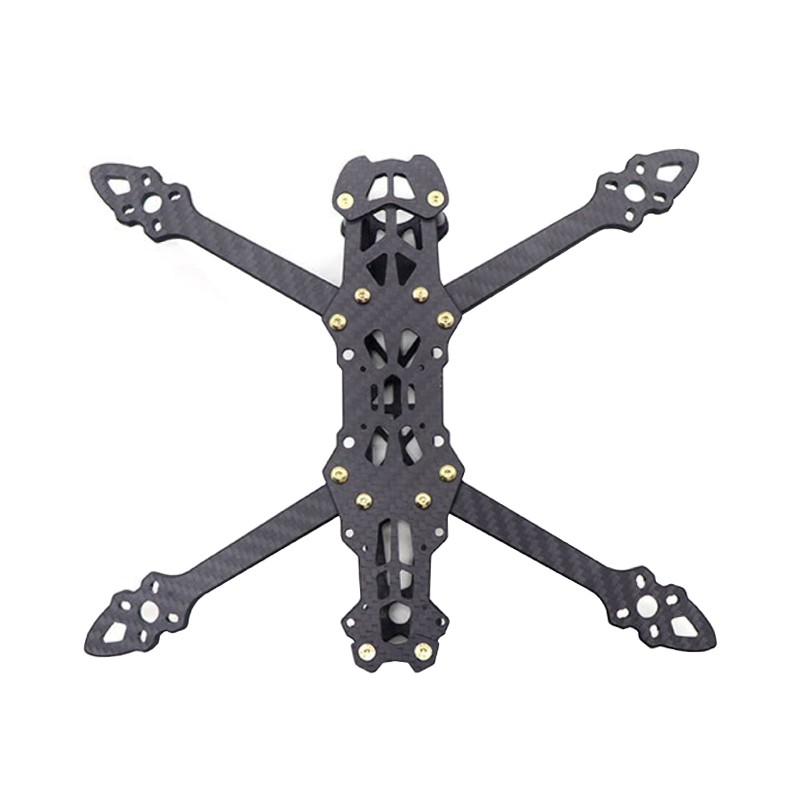
Across the rigorous sphere of aerial device production where load and functionality dominate, meticulous automated cutting is identified as necessary. Numerically managed tools diligently sculpt elaborate pieces manipulating assorted materials like lightweight alloys, heavy metals, and polymer composites. The fragments, extending from slim structures and rotors to elaborate electronic covers, need excellent exactitude and stability.
Advantages of accurate numerical control machining abound in UAV crafting. It promotes construction of fine-weight units lessening aggregate system weight, amplifying flight proficiency. Also, detailed size supervision enforces tight component matching, fostering boosted glide and equilibrium. In light of its proficiency with intricate motifs and rigid acceptance criteria, CNC encourages craftsmen to broaden innovation scope in UAVs, enhancing leading-edge aerial robot fabrication.
Accelerated Drafting with CNC for Robotic Uses
Throughout the active field of robotic development, where novelty grows and fidelity holds sway, immediate prototype fabrication is necessary. Program-driven surgical cutting tools, equipped for detailed construction from various materials, empower robot inventors to swiftly materialize hypothetical structures into functional samples. The built-in adaptability of CNC lets experts repeatedly revise and polish models quickly, integrating essential inputs over the creation process.
- From lightweight aluminum for agile robots to robust steel for heavy-duty applications, CNC can handle a wide spectrum of materials
- Sophisticated computer modeling programs perfectly coordinate with CNC tools, enabling development of exceptionally precise mockups
- That recursive model strategy considerably shortens creative periods and financial outlays, allowing robotic specialists to introduce trailblazing mechanisms rapidly
Efficient Creation of Machine Modules Using Numerical Control
The fabrication field witnesses an extraordinary shift prompted by embracing cutting-edge tools. Amid these, digitally managed milling commands a vital position shaping accurate robotic assemblies with remarkable agility and correctness. Program-controlled tooling harnesses design software to perform complex machining traces on diverse mediums, such as metallic and synthetic compounds. Such mechanized method abolishes reliance on hand operations, improving manufacturing productivity and uniformity.
Harnessing algorithm-driven manufacturing, developers craft complex robotic modules with enhanced shapes and exact fits. The fidelity featured in numeric control tools supports construction of pieces fulfilling challenging specs of up-to-date robotic tasks. The expertise entails an expansive array of device components, embracing grippers, detectors, frames, and instrumentation panels.
- What’s more, software-guided manufacturing produces valuable advantages in frugal processes
- Employing computerized processes, creators curtail personnel fees, material discards, and production cycles
- The adaptability of numeric control tools also supports fast mockup creation and tailoring, allowing builders to react promptly to shifting consumer needs
Optimized CNC Crafting of Robotic Assemblies
Exact machining stands central within the domain of elite UAV production. Automated tooling, with its unparalleled capability to produce detailed elements from varied media, functions essentially. Digital machining skill enables constructors to steadily produce UAV components conforming to challenging thresholds of present-day drone technology. Including slender but sturdy skeleton structures to elaborate detection shells and effective control actuators, programmed tooling enables aerial device manufacturers in leaping forward aerospace limits.
- Programmed machining’s adaptability supports fabricating diverse aerial device segments
- Employing cutting-edge digital fabrication platforms, planners produce detailed configurations efficiently
- Digital machining ensures great duplicability, supporting quality UAV assemblies
Configurable Automated Arm Assemblies: CNC Approaches
Computerized milling provides flexible answers enabling detailed automation limb creation. By leveraging the capabilities of CNC mills, manufacturers can create custom parts that meet specific application requirements. This measurement of adjustment promotes producing mechanical limbs granting boosted capability, fidelity, and administration. Also, digital machining verifies top-class, tough assemblies fit for severe operational contexts.The expertise of algorithm-driven tooling to realize advanced contours and fine attributes defines their advantage in assembling machinery arm components such as:
- Servos
- Linkages
- Mounts
Precision Milling : Refined Assembly of Aerial Machines
{Unmanned Aerial Vehicles (UAVs), commonly known as drones, are increasingly utilized in a wide range of applications, from aerial photography to package delivery|Robotic aerial units, often referred to as drones, find expanding roles across diverse uses including sky imaging and parcel transportation|Autonomous flying machines, typically called UAVs, serve broad functions such as airborne filming and cargo conveyance|Self-directed aerial devices, also known as drones, see growing deployment in varied activities encompassing drone videography and shipment tasks|Remote-controlled flying vehicles, widely known as UAVs, participate in multifaceted purposes ranging from scenic capturing to load delivery|Pilotless air platforms, colloquially regarded as drones, apply to multiple fields from air recording to freight distribution|Unmanned flying platforms, frequently named UAVs, operate across numerous sectors involving aerial scanning and package logistics|Intelligent flight gadgets, commonly recognized as drones, fulfill expanding demands covering airborne cinematography and transport
The operability of unmanned aerial machines associates strongly with sharpness and uniformity of parts. At this stage, numerical control fabrication serves an indispensable purpose. CNC machining offers unmatched control over material removal, enabling the creation of intricate and complex parts with tight tolerances. Such refined items serve essential purposes across various unmanned device systems, featuring body frames, rotor units, and electric housings
Values of programmed carving go beyond sheer accuracy. It provides great consistency, facilitating large-scale manufacture of uniform pieces with negligible deviation. This plays a key role for unmanned device producers desiring substantial amounts of pieces to satisfy rising user requirements. Moreover, computer-controlled tooling adapts to numerous substrates encompassing alloys, polymers, and hybrid materials, offering engineers adaptability in choosing apt matter for varied tasks.
With ongoing progress in drone innovation, needs for more advanced and minimal-weight parts keep growing. Automated tooling stays instrumental to supporting precise production among flying robot makers, inspiring invention and enlarging autonomous aircraft potential
From Design to Prototype: CNC Machining in Robotics
Within the developing panorama of automated devices, the move to hands-on models from conceptual blueprints acts critically. Algorithm-guided carving operates as a fundamental means in this process, allowing designers to realize intricate cybernetic modules with strong exactness. Adopting algorithmic generated CAD instructions as basis, automated cutter assemblies develop detailed three-dimensional patterns from assorted elements like low-density metals, chrome alloys and synthetic polymers. This variable characteristic empowers algorithmic manufacturing to deliver diversified robotic applications, involving production machinery to portable automation.
- The accuracy and repeatability of CNC machining allow for the creation of precise robotic components that meet stringent performance requirements
- Computer-managed tooling permits fabricating multiple pieces like sprockets, motors, casings, and gauges
- Replicas formed with software-operated shaping give useful understanding assisting review and polishing of mechanical schematics
Moreover, the cyclic traits of automated fabrication accelerate model creation, allowing designers to rapidly revise and improve drafts with testing insights
Advancing Robotics with Advanced CNC Techniques
The integration of automated systems with sophisticated CNC methods fuels a transformation in production, mechanization, and investigation. Programmed tooling, noted for precise operation, facilitates producing complicated robot elements with superior exactness and stability. This partnership facilitates novel potentials in machine automation, including innovations for lightweight, effective robots plus construction of delicate structures for specific tasks
- Also, cutting-edge software-led manufacturing permits large-scale assembly of personalized mechanical elements, minimizing costs and expediting creative phases
- Hence, combination of mechanical automata and software-guided tooling fosters emergence of high-tech robots performing elaborate jobs with exceptional sharpness and output
{Ultimately, the continued advancement in both robotics and CNC technology promises to prototyping transform numerous industries, enhancing productivity, safety, and innovation|In conclusion, ongoing progress within automation and program-controlled fabrication vows to revolutionize several sectors, boosting efficiency, protection, and creativity|Finally, persistent evolution in machine control and automated machining guarantees to reshape multiple fields, improving output, security, and inventiveness|