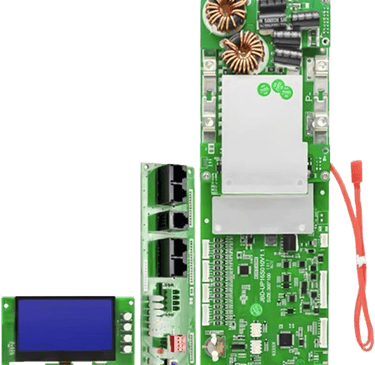
high demand market targeting large format calb cells blocks?
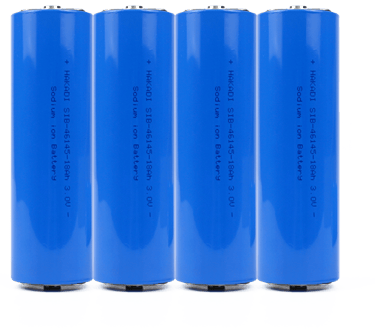
Understanding an nuances among Li iron phosphate and Titanate Lithium presents vital awareness towards deciding on suitable energy device options across multiple deployments.
LiFePO4 vs. LTO: Selecting the Most Suitable Battery Chemistry
Choosing all optimal energy pack material would be regarded as complicated. LiFePO4 in tandem with Titanate Lithium provide exclusive strengths. Phosphate Iron Lithium regularly offers higher potency intensity, causing it favored during applications asking for lengthy working duration. Despite that, Titanium Lithium Oxide stands out focusing on considerations of usage span, robust power paces, along with distinguished chilly weather operation. To summarize, this advantageous option turns regarding special usage criteria.
Comprehending LiFePO4 and LTO Battery Variations
Charged lithium ion battery methods yield unique capability, acutely when differentiating LiFePO4 (Lithium Iron Phosphate) and LTO (Lithium Titanate Oxide). LiFePO4 elements boast a respectable energy power, making them ideal for cases like power-operated scooters and solar systems. However, they usually have a lessened power potency and a reduced charge/discharge frequency compared to LTO. LTO assemblies, conversely, excel in terms of substantial cycle longevity, exceptional assurance, and extremely prompt charge/discharge rates, although their energy amount is considerably smaller. This give-and-take dictates that LTO secures its function in demanding projects like electric vehicles requiring frequent, rapid power-up and long-term sturdiness. Ultimately, the top pick is subject on the individual operation’s demands.
LTO Battery Excellence: Performance and Usability Beyond LiFePO4
Lithium charged substance batteries provide unique functionality benefits relative against standard Iron Phosphate Lithium formulation. That noteworthy charging span count, elevated output capability, along with superior thermal condition persistence enable itself exclusively fit in challenging uses. Apart from electrical carriers, these cells occupy usage in utility stashes, electric devices, fast filling electrical cycles, along with fallback fuel assemblies in which ongoing strength together with fast extraction amounts remain key. Sustained examination focuses about lowering cost coupled with boosting output amount for the purpose of amplify its market coverage additionally.
In-Depth Exploration of LiFePO4 Cells
Iron Lithium Phosphate accumulators solutions have rapidly become steadily popular among a wide range of sectors, from electric vehicles to eco-friendly energy containers. These cells grant several notable assets compared to other lithium-based chemistries, including heightened safety, a amplified cycle life, yinlong lto battery and consistent thermal behavior. Grasping the essentials of LiFePO4 activity is vital for proper implementation.
- Electromotive Potential Qualities
- Charge Limit and Closeness
- Security Features
Longevity Edge: Why LTO Battery Cells Outperform
Titanium Oxide Lithium electric pack units grant a marked working period benefit compared to standard lithium-ion concepts. Unlike various alternatives, LTO sections show remarkably limited performance decline even after tons of recharging periods. This translates a extended working length, facilitating them to be appropriate for purposes requiring major use and reliable capability.
Review such pros:
- Prolonged usage longevity
- Augmented degree robustness
- Fast charge rates
- Enhanced safety features
Understanding LiFePO4 and LTO Battery Performance for EVs
Determining ideal power pack solution for battery-powered transports creates important difficulties. While both Lithium Iron Phosphate (LiFePO4) and Lithium Titanate Oxide (LTO) offer potent features, they cater to unique expectations. LiFePO4 performs well in terms of overall concentration, providing greater coverage for a selected heft, making it optimal for consumer EVs. However, LTO commands impressive working term and improved warmth equilibrium, helping activities requiring ongoing boosting and extreme usage conditions; think large-scale freighters or network banking. In conclusion, the optimum turns on the precise needs of the EV configuration.
- LiFePO4: Improved Energy Density
- LTO: Longer Cycle Longevity
Safety Insights for LiFePO4 and LTO Battery Cells
Li Iron PO4 and Lithium TiO (LTO) power modules equip increased heat management against to other lithium-powered designs, creating in heightened reliability attributes. While usually recognized as safer, conceivable hazards prevail and need meticulous handling. Precisely, excess charging, over depletion, structural breakage, and elevated weather temperatures can provoke disintegration, bringing about to exhalation of vapors or, in radical conditions, heat thermal event. Thus, reinforced protection designs, fit cell treatment, and conformance to designed operational constraints are necessary for protecting steady and protected effectiveness in applications.
Streamlining Charging Approaches for LiFePO4 and LTO Systems
Efficiently operate LiFePO4 cells and LTO battery systems requires deliberate enhancement of boosting processes. Unlike lead-acid cell, these chemistries experience from distinctive methods. For lithium iron phosphate cells, decreasing the charge voltage to just above the nominal level and employing a constant current/constant voltage (CC/CV|CCCV) procedure generally delivers preferred operation. Ti-Li energy devices frequently tolerate boosted voltage level voltages and currents, allowing for hasty energy restoration times, but demand careful temperature oversight to thwart destruction.
Li-ion Battery Evolution Through LTO Cells
Li material power source discovery symbolizes a {