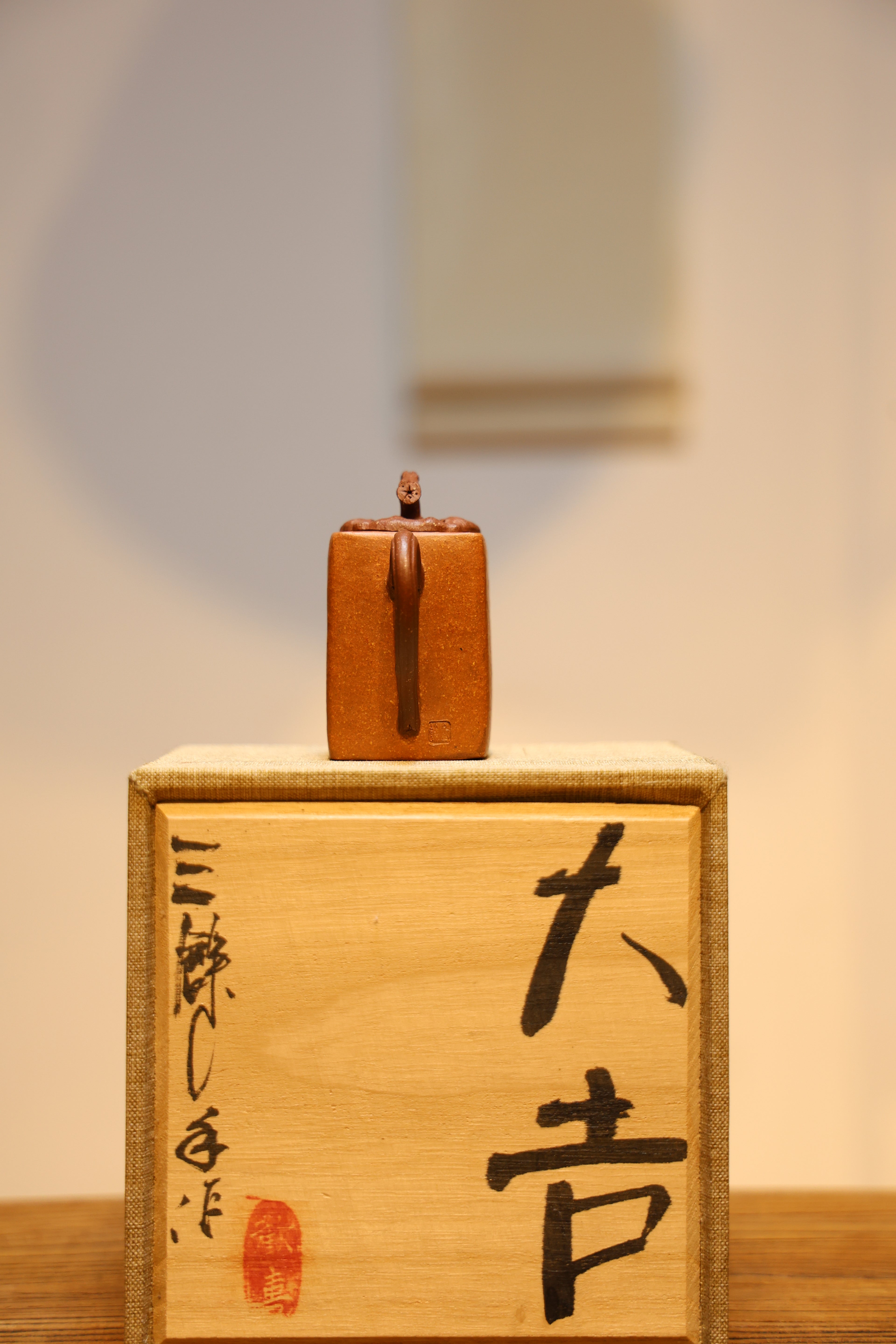
hand shaping artistry premium Yixing tea maker?
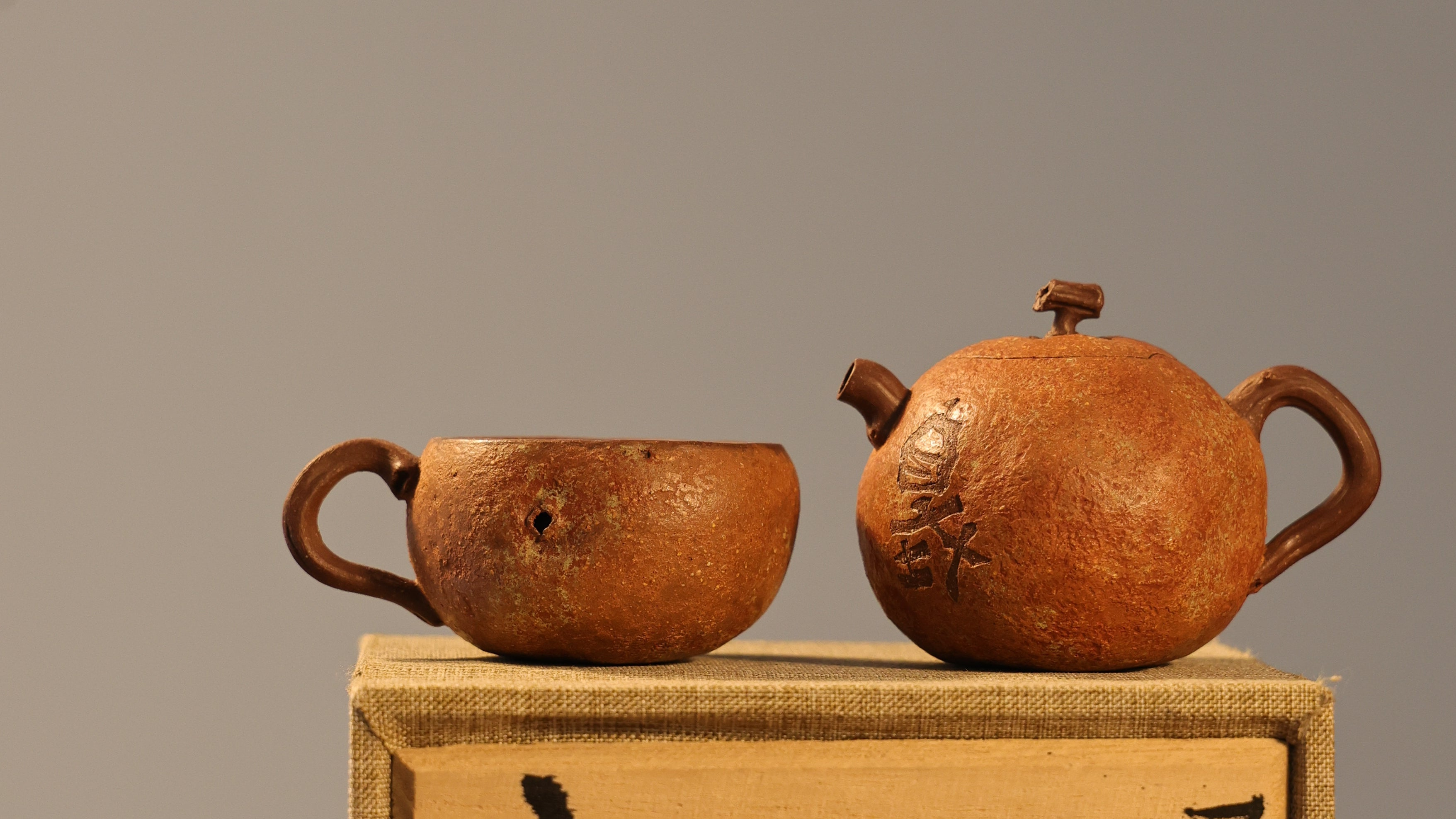
Beginning your thorough review touching on Ihsing Zi Sha porcelain pots presents a fascinating fusion among expertise accompanied by effectiveness.
Yi-hsing Tzu-sa ceramic kettles retain distinct incomparable fascination towards connoisseurs universally. Particular exceptional ceramic vessels, derived from the unique Ihsing region adjacent to Jiangsu locale, China, function as more than just infusion tools; they are recognized as works crafted beauty and historical significance. Special finely classified clay, known referred to as Zisha, imparts a delicate flavor upon the tea, and the fancy designs, often casting traditional Chinese elements, enhance their inherent value. Gaining a genuine Yixing Zisha teapot presents a gratifying journey, demanding careful inquiry and an knowledge of the different factors influencing the exclusivity.
Delving into Yixing Teapots
Yi-hsing teapots boast a rich past deeply interwoven with Chinese civilization. Originating in Yixing, Jiangsu area, these pots are crafted from a unique, porous purple dirt found only in that designated location. Their development began during the Ming time, with master craftspeople refining the means over ages. Various types appear, including the classic Hexiang (resembling crab shells), Zhuni (red-brown hue), and Duan Ni (stone-studded) – each with distinctive traits. The cost of an Yixing ceramic vessel isn't solely based on its size or ornamentation, but also on the designer’s reputation, the terracotta's quality, and the pot’s age and condition. Devotees often seek Yixing Teapot out older examples, believing they enhance the savor of the infusion brewed within them over time, further adding to their renown.- Classic Tea Containers
- Earth-Toned Brewing Vessels
- Pebble-Embedded Brewing Vessels
Zisha Teapot Mastery: Skill & Means
Such formation of Zisha teapots represents a pinnacle of Chinese ceramic mastery. Proficient artisans employ time-honored techniques, often passed down through offspring, to unlock the full beauty of this unique clay. Procedures involve meticulous designing by hand, often combined with the building method, followed by precise curing at incredibly marked temperatures in wood-fired kilns. Ornamenting is equally crucial; artisans utilize natural clay colors and may incorporate relief work to depict intricate scenes or patterns, demonstrating a profound familiarity of the material’s properties and voice. The product teapot isn't merely a vessel for tea, but a testament to a valuable cultural legacy.
Ancient Pottery: An Synopsis to Yihsing 紫砂
Investigating the world of Traditional teapots generally starts with Yixing Zisha. These exceptional clay ceramics are formed from a specific type of clay located only in the Yixing region of the Jiangsu district province. Noted for its distinctive reddish-purple hue and fine traits, Zisha clay conveys a refined flavor to the drink and refines with age, evolving into a cherished keepsake. Acquiring Yixing Zisha clayware is more than just retaining a gorgeous object; it’s a salute of ancestry and artistry.
Investing in the Purple Clay: Realness & Increase
Beginning the field of Yixing Zisha clayware can be extremely profitable, but needs a sharp perception. Truthfulness is vital; countless copies circulate, sometimes skillfully produced. Acquiring knowledge about historical kiln methods, distinctive dirt essences, and the emblems of honored craftswomen is totally crucial. Moreover, understanding the finer distinctions of the evolution tendency – influenced by causes such as cultural significance and the preservation of the article – is crucial to profitable assembling.
- Studying curing heritage.
- Hiring authorities for substantiation.
- Judging commerce dynamics.
That Discipline of Making with a Stoneware Container
Such unique allure of a Zisha tool lies not just in its stunning appearance, but also in its profound impact on the bouquet of the brew. These ancient clay ceramic pots, sourced from certain regions of China, possess a basic porosity that quietly interacts with the water and leaves, imbuing the libation with a refined character. Mastering the art requires a careful approach, understanding how the clay responds to varied warmth and floral types, ultimately leading to a authentically rewarding sampling process.
Yixing Teapot Care: Preserving Individual's Treasure
Proper handling of your Yixing teapot is indispensable to maintaining its usefulness. These unique teapots, crafted from special Yixing clay, develop a texture over intervals that boosts their prestige. Periodically rinse the inside part with warm water, avoiding harsh substances, and never use harsh scrubbing tools. Infrequent gentle wiping with a fine cloth can promote in eliminating blemishes. Allow your carafe to thoroughly dry following each use
Revealing Ceramic: What These Earthenware Are Exceptional
The well-known appeal of Yixing teapots stems from the special properties of Terracotta clay, sourced solely near Yixing, that region. This noteworthy clay, designated as ferruginous earthenware , features a exceptional combination of constituents that, over time, take in the savor of the drinks it handles. This results in a individual essence for each earthen vessel, ensuring it a value far greater than its primary price and aiding to their admired status among experts.
Hunting for the Perfect Sinocentric Brewing Pot: A Terracotta Reference
Venturing into the world of Yixing clay teapots can feel intimidating, but understanding the essentials is crucial to selecting a esteemed piece. This variety of clay, sourced largely from the environs of Yixing, Jiangsu, is famous for its distinctive texture and ability to enhance the taste of the infusion over time. Consider the shape, the color, and the overall aesthetic; a genuine Zisha teapot is more than just a canister; it's a finely crafted object and a example of classic culture. View the etching of the designer for clues to its lineage and potential significance.