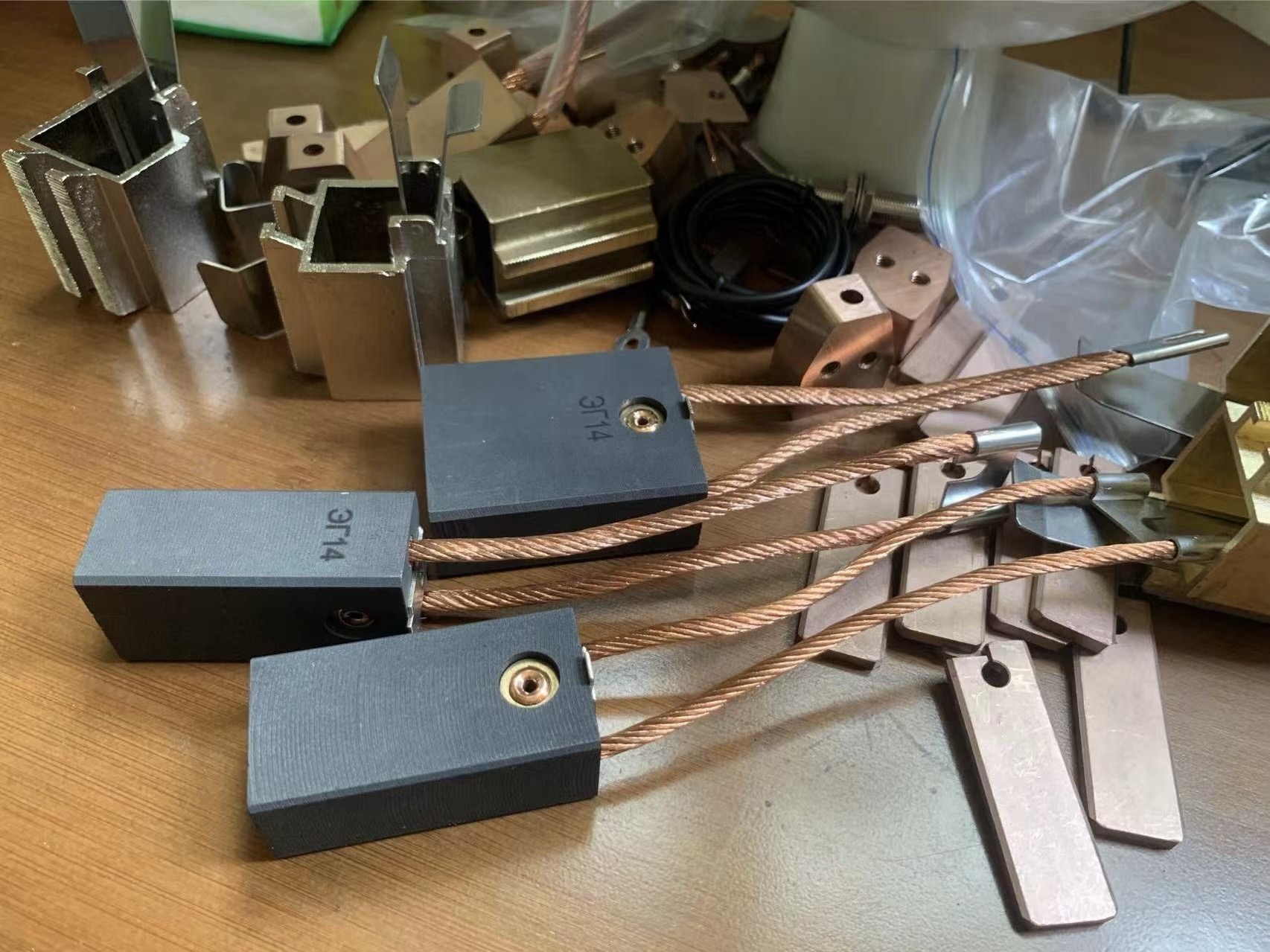
engagement focused performance tuned Carbon brushes assortments?
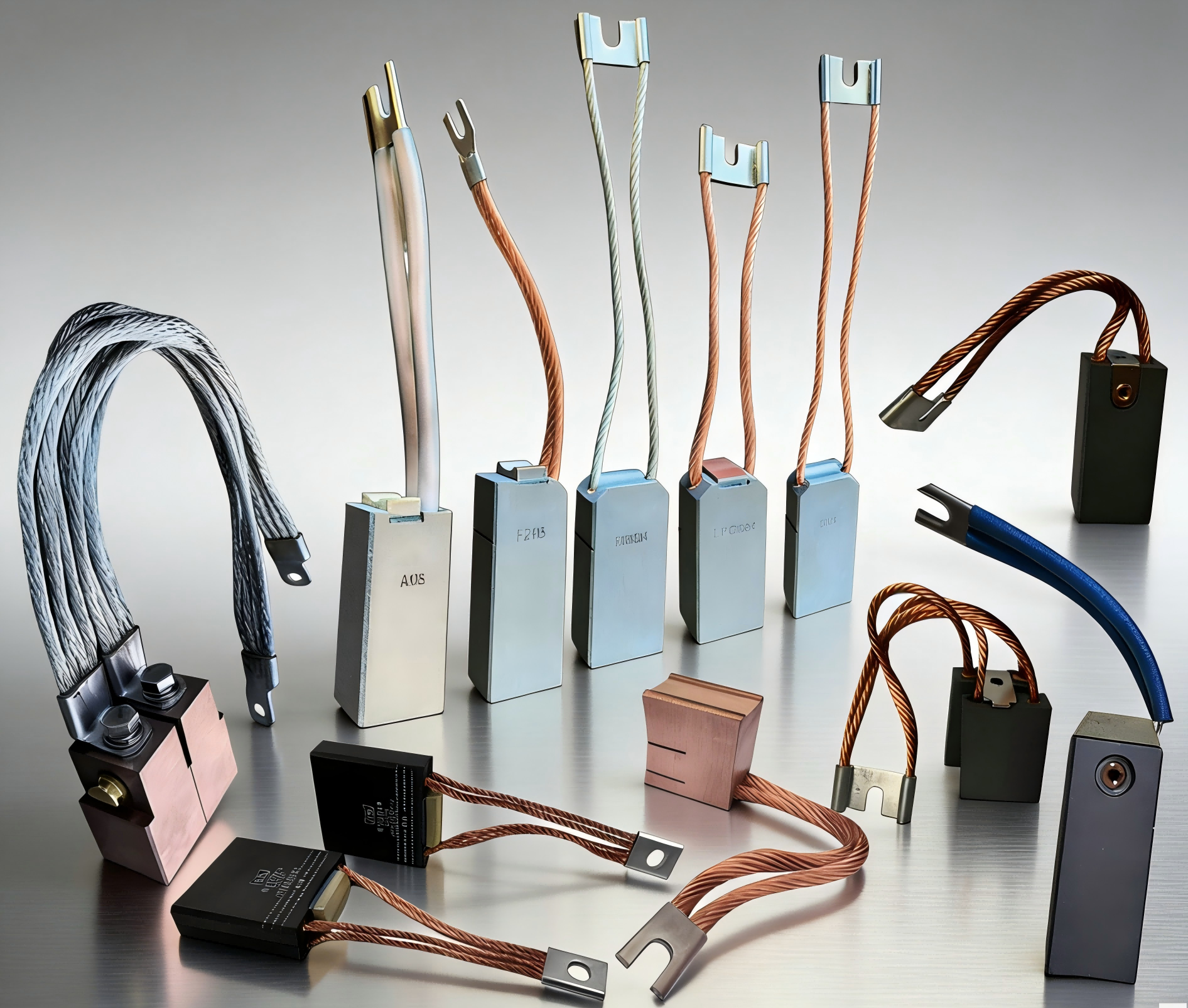
Validating peak workmanship combined with continuance owing to individual coke blocks, one precautionary technique stands as indispensable. Repeatedly monitor the brush parts to identify signs of abrasion, such as fractures in addition to lavish attrition. Retaining suitable association relating brushes and the commutator is fundamental. It is possible using aligning the screws securing brush holders to fix firmly without overpressure. In addition, preserving holders pure and clutter-free aids in smooth running. To maximize output, undertake brush exchanges consistently complying with fabricate’s advisories. Well-kept carbon brushes ensure dependable electric contacts and Slip rings prolong equipment durability.
Carbon Brush Holder Design and Selection Guide
When it comes to designing or selecting a carbon brush holder for your electrical motor, numerous points warrant meticulous appraisal. Form and structure of holders decisively influence brush performance, longevity, and holistic efficiency. For securing superior operation and durability, adopting a holder that complies with defined motor prerequisites is essential.
- Several components bear upon prime brush holder formation, considering motor styles, power ratings, environmental scope, and result objectives.
- Material decisions crucially affect holder performance Frequent materials contain copper combinations, plastic substances, and ceramic coatings, supplying special properties for electrical conductance, toughness, and heat tolerance.
- Blueprint and setup for brushes further contribute importantly The number, size, and arrangement of brushes must be carefully determined to ensure proper current flow and contact with the commutator.
In addition, holder structure requires incorporation of traits limiting brush attrition, rubbing, and electric arcing. Frequently this includes adding springs, clamps, interfaces to sustain constant brush stress and airflow, chilling, thermal removal structures to avoid excess heat.
Advanced Slip Ring Fabrication and Material Options for Greater Dependability
Slip ring endurance is intimately linked to the meritfulness of forming materials. Fabrication processes substantially affect enduring trustworthiness. Generally applied substances comprise copper, brass, bronze as conductors, assigning insulators like mica or epoxy to provide electric shielding. Advanced slip ring frameworks generally feature components like self-applied grease, sealed, contaminant-barrier bearings diminishing wear and failure. Prolonging functional longevity. Carefully engineered slip rings paired with fitting substances are indispensable for ensuring unbroken power delivery and trustworthy operation under difficult conditions.
Collector Ring Construction
Collector rings bear significant functions in assorted electromechanical settings, focused on rapid revolving. Collector ring constructs feature numerous conductive ring parts supporting the delivery of current or signals amid stable and spinning units. Collector ring setup requires essential procedures such as material selection, precise ring machining, and secure fixation to a turning shaft. Proper assembly ensures reliable electrical connections and minimizes friction between the rings and brushes.
- In addition, inspecting ring measurement, segment number, and insulation substances is necessary when building collector rings. Individual assembly protocols alter in line with collector ring roles and manufacturer’s guidelines.
- Knowing nuances of collector ring fabrication remains vital for technical experts in developing, fabricating, or caring for rotating electric devices.
Suppressing Electrical Discharge in Rotational Machinery
Electrical discharge in spinning machines results in various dangerous conditions. This incident develops once powerful electric forces escape intended channels, largely owing to insulation wear or poor system alignment. Various protective steps serve to lower such risks. Chiefly, upholding insulation solidity remains key. Routine monitoring and replacement of defective insulation assists in supressing arcing. Then, suitable lubrication for spinning components restrains rubbing, diminishing damage to electric contacts. Moreover, deploying dependable earthing frameworks effectively shunts stray charges, minimizing spark risks. Finally, precise calibration of spinning components avoids undue strain on electric linkages, further lowering arcing hazards.
Examining Carbon Brush Erosion Phenomena
Carbon brush wear is a ubiquitous issue in electric motors and generators. Brush wear happens due to complex factors governing brush endurance. Prevalent erosion cause is scraping, powered by constant contact with the commutator. Such rubbing produces warmth and slowly deteriorates the carbon substance. Further, electrochemical decay promotes wear due to chemical effects on interfaces between brush and commutator surfaces reducing components. Other factors that exacerbate carbon brush wear include electrical arcing, which can cause localized damage to the brush surface. Additionally, improper installation of brushes can also accelerate their rate of wear. Comprehending these erosion factors aids enhancing electrical machine efficiency and durability by adopting suitable materials and preventive maintenance.
Attributes Determining Brush Service Life
The durability of carbon brushes is influenced by a variety of factors. Abrasive wear from contact with the commutator is a major contributing cause, often exacerbated by inadequate lubrication. The type of carbon used in the brush also plays a significant role, with harder grades offering greater resistance against wear. Heat surroundings influence longevity, as high temperature weakens carbon design. Ultimately, faulty brush installation results in premature damage.
Handling Popular Carbon Brush Concerns
Carbon brushes contribute significantly to numerous electric motors ensuring steady energy transfer amid static and spinning parts. Despite this, carbon brushes degrade progressively due to frictional forces, temperature rise, and dirt accumulation. Observing popular brush faults promptly is imperative to avoid motor malfunction and downtime. A frequent sign is a grinding noise produced by the motor. It typically marks degrading brushes or insufficient commutator connection. Inspecting the brushes visually can reveal signs of wear, such as visible grooves, cracks, or excessive length. An additional frequent fault includes cutback in motor output with weak power or startup failure. Such could mean brushes can no longer carry electrical flow effectively. Moreover, perceiving sparks by brushes unmistakably reveals contact faults calling for quick remedy. For solution, prompt exchange of defective carbon brushes is recommended. Select premium replacement brushes suitable for your particular motor model. Guarantee new brushes are suitably positioned and establishing reliable contact with commutator. Polishing commutator before assembly supports brush operation. Through attentive brush maintenance, engine problems are avoidable and durability enhanced.
Identifying Appropriate Slip Rings for Your Scenario
When selecting slip rings for your application, it's crucial to consider a number of factors. Foremost task entails ascertaining signals transmitted by slip rings. Potentially encompassing electric signals, physical actions, or their hybrid. You also need to consider the environmental conditions that the slip rings will be exposed to. These considerations comprise temperature zones, moisture contents, and oscillations.
- Additionally, sizing and compatibility of slip rings with apparatus must be observed.
- In closing, acknowledging reputable makers having good slip ring production importance is key.
By detailed inspection of these parameters, suitable slip rings can be identified meeting exact prerequisites.
Controlling Vibrations and Noise in Collector Ring Devices
{Collector rings play a crucial role in rotary applications by facilitating the transfer of power and signals|Collector rings have key importance in rotational settings