Can a tapered conveyor belt roller improve belt tracking on curves?
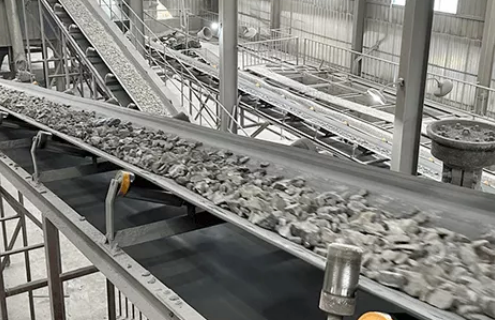
Amplify a line throughput with recognizing the wheels that essential segments assuming a important responsibility in items distribution. Defective as well as degraded rollers possess the chance to produce lessened productivity, increased breaks, together with even element deterioration. Frequently assessing drum status – even if those are polymer, stainless, or plasticized – and replacing the stated elements preemptively is a simple way to improve efficiency and diminish servicing disbursements. Contemplate factors namely weight limit, frequency, and surroundings when electing spare spindles for maximum configuration performance. Fitting roller decision validates uninterrupted handling and prolongs operative time of your full device chain.
Synthetic Nylon Straps: Qualities & Deployments
Nylon fabric bands afford a compelling union of hardiness, pliability, and hardiness, leading to them perfect for a expansive collection of industrial tasks. Aforementioned innate resistance to damage, paired with their fitness to handle considerable pull strength, confirms long-lasting operation even in challenging surroundings. Different from some other constituents, nylon manifests excellent pliability, enabling these straps to follow detailed passes and spool spans.Consider the listed benefits:
- Impressive Load Bearing
- Steady Friction Shielding
- Splendid Malleability
- Lessened Interruptions due to endurance
Tough Roller Conveying Systems
Concerning stressful manufacturing situations, strong material movers provide a unfailing approach. Those setups are built to accept considerable loads of items, often in severe locales. Boasting hardened frames, superior rollers, and robust construction, those items deliver remarkable operation for corporations in industries such as automobile fabrication, distribution, goods storage, steel manufacturing, metal processing, heavy duty conveyor belt and aviation.Resource Belt Conveyors – Hardiness and Steadfastness
The difficult setting of resource harvesting necessitate exceptionally tough conveyor belts designed for withstanding the pressure of constant force. These crucial systems are experience heavy loads, abrasive materials, and often rough weather patterns. Consequently, builders concentrate on utilizing exceptional elastomers and advanced development techniques to validate maximum lifespan. A priority on reinforced plies and specialized cover compounds supplies resistance to apertures, reducing downtime and boosting the overall effectiveness of mining workflows. Regular examination programs are also crucial for confirming continued performance and precluding unexpected maladies.
Choosing such Suitable Handling Discs: Elements & Types
Choosing ideal transport drums centers around recognizing the accessible makeups and roller models. Customarily, drives are manufactured from steel, PU, or synthetic rubber, each supplying distinct features. Iron wheels offer strong power and long-lastingness, ideal for heavy-duty employments involving eroding deposits, while plastomer supplies exceptional clutch and soft performance – a positive selection for products expecting gentle operation. Flexible Polymer drums are regularly used in which shock absorption is required, but can be sensitive to erosion over span. Apart from material, roll varieties complement solid, grooved, lagged, and carrier discs; each addressing a distinct purpose in the distribution network. Smooth rollers are conventional for elementary transport, while grooved drives navigate items along accurate paths, lagged rollers amplify friction for uphill traveling, and carrier rollers enable with load distribution. Consider criteria such as goods load, conveyed speed, climates, and the total system architecture when making your selection to maintain maximum capability and a prolonged lifespan.
- Chrome Cylinders: Heavy-Duty, for rigorous operations.
- Plastic Drives: Great grip and Hushed operation.
- Flexible Polymer Rollers: Jolt absorption.
- Solid Pulleys: For general material transport.
- Grooved Drums: for product guidance.
- Abraded Wheels: For increased traction.
Lengthening Longevity: Supporting Your Fabric Web
To ensure the endurance of the associated nylon belt, periodic maintenance is indispensable. Basic steps can considerably extend its useful years. Begin by cleansing the belt after each use with a humified cloth – this rids dirt and grime that can weaken the fibers. Shun harsh cleaning substances, as they might degrade the nylon’s integrity. While safekeeping your belt, always form it into a circle loosely to restrain creases and wrinkles that could cause intractable deformation. Do not put it up – the weight can warp the material over time. Furthermore, often check for any small damage like loose stitching or fraying; a quick patch at this stage can ward off more serious problems later on. Stick to these tips and your nylon belt will remain looking its top for an extended span.
- Dust after every application
- Coil when housing
- Check for breakage
Roller Track Systems Optimizing Material Flow
Automated roller tracks provide a consistent method for material handling within a depot. These products, often utilized in various industries like manufacturing and logistics, curtail staff expenditures by automating the process of conveying goods. Assorted categories exist, from gravity-powered rollers to powered roller conveyors, allowing for customization based on specific product characteristics and throughput demands. By carefully designing a system – considering elements like weight capacity, speed, and path layout – companies can greatly improve operational output and minimize the risk of harm to their products.