brand enhancing lifecycle extended reinforced stainless steel bearings for outdoor use?
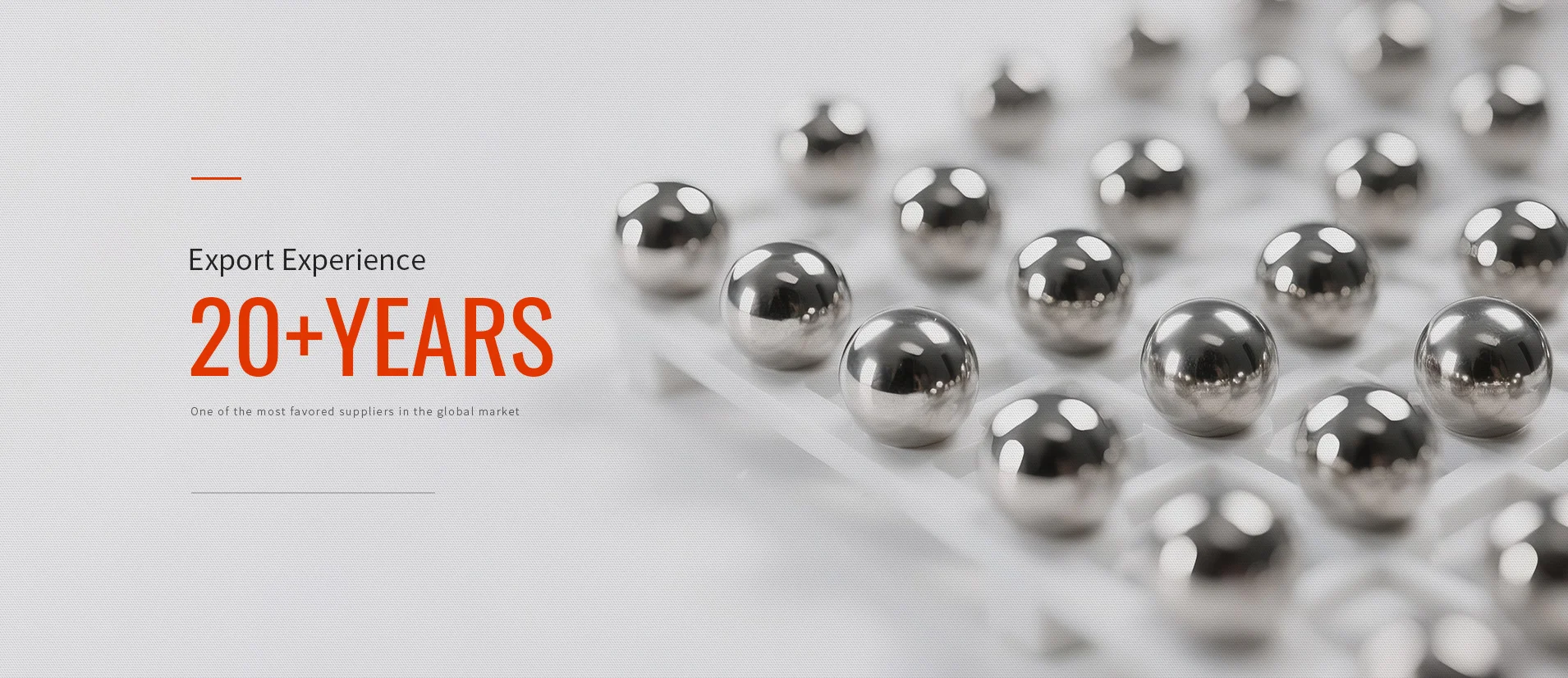
Key ingredients incorporated in multiple scenarios.These parts serve by making use of a group of rotund particles to reduce impedance among whirling elements. These allows steady and streamlined movement, raising instrument vitality and output.
Fundamental framework of a ball bearing features an inset groove, an outer lane, and the rolling elements themselves. These features function to transfer forces and allow smooth whirls.
- Types of ball bearings include magnetic bearings, each designed for specific uses.
- Electing the best type of ball bearing is required for maximum output and longevity.
- Ball bearings call for thorough upkeep to support their performance.
Determining the Ideal Steel Ball Resource
Settling on the right steel ball can be a difficult chore, particularly with the large diversity available. To ease your pick, analyze these significant elements. First, distinguish the anticipated application for your steel ball. Are you using it for factory machinery, exercise equipment, or a unique project?
- Durability is another essential aspect to judge. Harder steel balls offer greater tenacity, whereas less rigid models may better dampen forces.
- Proportion significantly impacts the ball's behavior. Measure the optimal size according to your use-case's parameters.
- Sheen may condition the ball's behavior. A sleek surface can lower friction, while a matte top layer might boost traction.
High-quality Ball Bearings for Expedited Applications
During periods of rigorous industrial and commercial uses requiring fast rotations, precision ball bearings have a essential role in providing uninterrupted, trustworthy, also competent mechanisms. These designed bearings are scrupulously crafted to cope with the amplified demands and inertial influences inherent in fast-paced situations. By leveraging premium elements, cutting-edge manufacturing procedures, and enhanced geometries, precision ball bearings minimize friction, decrease wear, and strengthen working longevity. Their notable performance leads to them fitting for a diverse selection of applications, such as aerospace structures, automotive systems, high-speed turbines, and robotic apparatuses.
Ball Bearing Operational Duration
An individual service life of a ball bearing is governed by multiple factors. These entail the ranking of ingredients used, the functioning environment, and the intensity of employ. Periodic checkups can substantially expand the useful life of ball bearings.
- Primary contributors to duration comprise:
- Environmental conditions, applying stress, and upkeep rates.
Diligently managed ball bearings can often function for many years, even under tough cases. However, it is essential to constantly evaluate ball bearings for corrosion signs to guarantee top functionality and hinder early wear.
Maintaining & Ball Bearings
Ball bearings assume a significant role in numerous apparatuses, ensuring smooth function. To maximize their lifetime, proper grease coating and regular management are essential.
Periodically check ball bearings to locate signals of degradation. Defective bearing components should be resolved quickly to prevent further harm.
When treating ball bearings, select a premium lubricant that is adapted with the specific settings. Applying excessive grease might result in burning or debris insertion, whereas Minimal oiling might lead to increased friction.
A efficiently managed ball bearing performs smoothly, supporting to the overall longevity of your machine.
Knowing Ball Rotational Bearing Load Ratings
Ball bearings are fundamental segments in countless machinery arrangements, enabling smooth rotation and reducing friction. To assure maximum effectiveness and lastability, it is essential to comprehend ball bearing load thresholds. These rates outline the maximum load a bearing can endure under multiple functioning contexts. The spinning load rating depicts the greatest force a bearing can withstand during continual revolution, while the stationary load rating denotes the maximum force sustainable when idle. Picking bearings with ratings above expected performance criteria maintains secure function.
- Fixed load ratings define the greatest force a bearing can tolerate when at rest.
- Moving load ratings display the paramount force a bearing can resist during continual rotation.
- Usually select bearings with load ratings that surpass expected operating conditions for reliable operation.
Minimizing Friction with Ball Bearings
Ball bearings are well-known for their ability to significantly minimize friction in turning systems. This is because the free movement of balls inside of a raceway curbs the touch between moving parts. By leveraging ball bearings, you can attain boosted efficiency, curtailed wear and tear, and broad enhancement in equipment.
- Ball bearings regularly appear in multiple applications, including automobiles, bicycles, heavy machinery, and household appliances.
- Their versatility stems from their aptitude to bear varying stresses and velocities effectively.
- Choosing the ideal ball bearing form correlates to diverse considerations such as load capacity, speed expectations, and utilization setting.
Fundamental Material Science of Ball Bearing Balls
Ball bearings are integral units in countless machines, depending on the characteristics of their balls for fluid and high-quality action. The selection of material for these balls is important as it specifically affects robustness, load limit, and speed competence. Popular materials used in ball bearing balls include steel, ceramics, or polymers.
Steel balls are known for their robustness, making them ideal for heavy-load applications. Nevertheless, they may be open to oxidation and abrasion under certain conditions. Ceramic balls bestow superior durability compared to steel but tend to be more soft. Polymers, conversely, offer minimal resistance, making them ideal for applications demanding noise minimization.
The materials determination for a ball bearing is contingent upon the specific needs of the objective.
Production Applications of Ball Bearings
Ball bearings fill a essential function across various industrial fields. From heavy machinery to exact instruments, ball bearings allow smooth, efficient rotation. Their neat design lets them be integrated into several systems effectively. The strength of ball bearings preserves reliable performance, even under rigorous situations.
Their competence to bear considerable loads makes them ideal for tough tasks.
Solving Common Ball Bearing Issues
Ball bearings are vital components in many machines and devices. Adversely, issues can sometimes arise that weaken their quality and lifespan. Here is a glance at typical ball bearing problems and methods to recognize them:
Noise is one frequent symptom. Should you notice clicking sounds coming from your bearing, it may signal failures.
Inspect the bearing for any visible traces of abrasions. If found, it is wise to replace the bearing.
Excessive friction may also indicate trouble. This might develop if the bearing is polluted or has improper lubing. Clean the bearing with a suitable solvent and apply fresh lubricant as per the manufacturer's instructions.
Lastly, ball bearings can experience glitch if too heavily loaded. Avoid overloading on your bearings and ensure proper installation.
Following these troubleshooting methods can aid extending the active time of your ball bearings and maintaining smooth device running.
Core Methods of Ball Bearings
Ball bearing design is a advanced strategy involving careful evaluation of many variables. A skillfully conceptualized ball bearing must maintain constant rotation, maximum load capacity, and extended life span.
Essential design principles contain:
- Electing the ideal bearing type based on application.
- Adjusting ball size and configuration for effective rolling.
- Electing materials that survive operating contexts.
- Suppressing friction through rigorous manufacturing and lubrication methods.
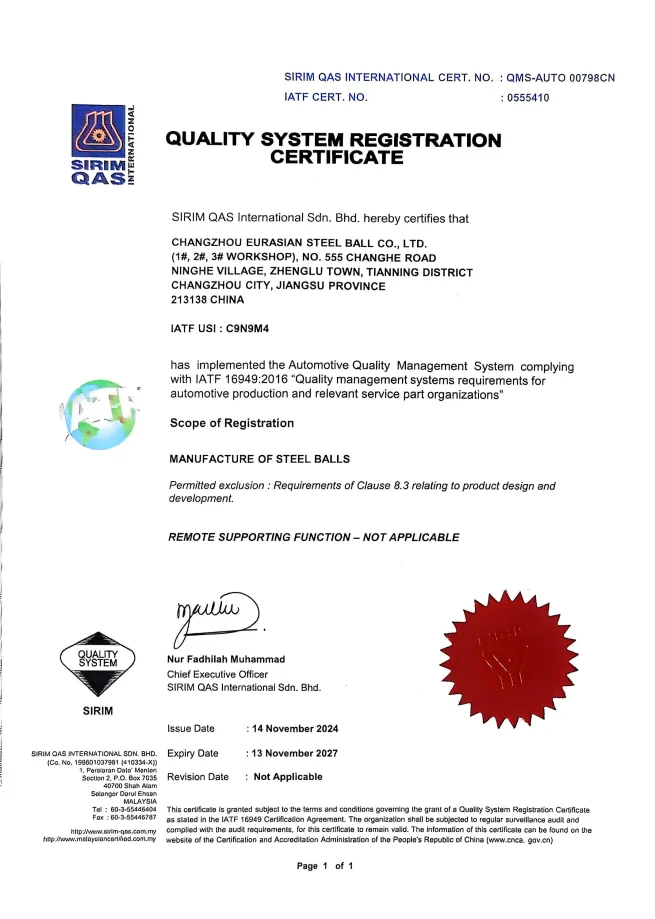 steel ball